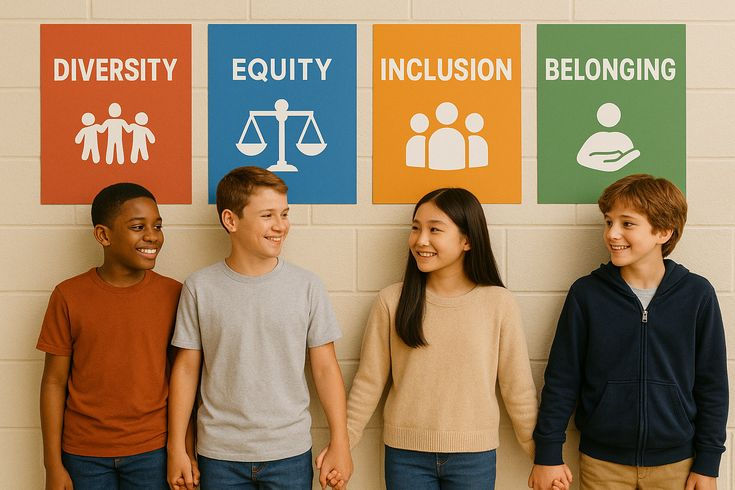
Why Inclusion Matters: Building Stronger Communities Through Diversity


Inclusion is more than a social ideal; it is a fundamental condition for building resilient and cohesive communities. While diversity reflects the presence of differences—whether cultural, social, economic, or personal—inclusion ensures that these differences are valued, respected, and actively integrated into society. Without inclusion, diversity can remain superficial, limiting the potential for meaningful interaction and shared progress.
One of the key benefits of inclusive communities is the creation of equal opportunities. When individuals from different backgrounds have access to education, employment, and social participation, societies become more balanced and fair. Inclusion helps reduce inequalities by addressing barriers that prevent people from fully engaging in community life. This not only improves individual well-being but also contributes to broader social stability.
Inclusion also strengthens social cohesion by fostering mutual understanding and respect. When people interact across differences, they develop empathy, challenge stereotypes, and build trust. Community initiatives that promote intercultural dialogue and participation create spaces where individuals feel heard and valued. As a result, communities become more connected, reducing social tensions and encouraging collaboration.
Moreover, diverse and inclusive communities are often more innovative and adaptable. Different perspectives lead to more creative problem-solving and better decision-making processes. In areas such as education, youth work, and community development, inclusive approaches enable more effective and sustainable solutions by considering a wider range of experiences and needs.
Ultimately, inclusion is essential for creating communities where everyone can contribute and thrive. It requires intentional effort, from policy-making to everyday interactions, to ensure that no one is left behind. By embracing diversity and actively promoting inclusion, societies can build stronger, more dynamic communities that are better equipped to face current and future challenges.