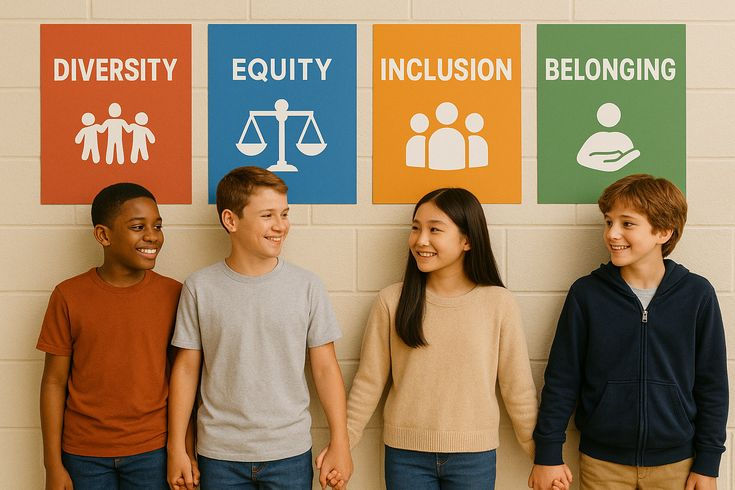
From Awareness to Action: Making Inclusion a Reality


In recent years, awareness of diversity, equality, and inclusion has grown significantly across societies, institutions, and communities. More people recognize the importance of creating environments where everyone feels respected, valued, and able to participate. However, awareness alone is not enough. While understanding the challenges faced by different groups is an important first step, meaningful change only happens when awareness is translated into concrete actions that remove barriers and create opportunities for all.
Inclusion is not simply about inviting people to participate; it is about ensuring that they can engage fully and meaningfully. Many individuals continue to face obstacles related to their social background, economic circumstances, cultural identity, educational opportunities, or physical abilities. Addressing these barriers requires practical solutions, accessible environments, and a genuine commitment to equal participation. True inclusion means creating conditions where everyone has the opportunity to contribute and thrive.
One of the most effective ways to turn awareness into action is through education and learning opportunities. Inclusive educational initiatives help individuals develop knowledge, skills, and confidence while promoting understanding and respect among diverse groups. Both formal and non-formal education can play a crucial role in fostering inclusive values and encouraging active participation in society. Learning environments that embrace diversity help build stronger and more connected communities.
Youth work also serves as a powerful platform for advancing inclusion. By involving young people from different backgrounds in shared activities, projects, and discussions, youth organizations can promote cooperation, empathy, and intercultural dialogue. These experiences allow participants to challenge stereotypes, build meaningful relationships, and gain a deeper appreciation for diverse perspectives. As a result, young people become more prepared to contribute to inclusive and democratic societies.
Community-based initiatives are equally important in making inclusion a reality. Local projects often provide opportunities for individuals to engage directly with others, share experiences, and work together toward common goals. Such initiatives help strengthen social cohesion and ensure that inclusion is experienced not only as a concept but as a daily practice. Small actions at the community level can generate lasting positive impacts and inspire broader social change.
Non-governmental organizations have a unique role in bridging the gap between awareness and action. Through advocacy, training, educational programmes, and community engagement, NGOs can create spaces where inclusion is actively promoted and practiced. They help identify barriers, support underrepresented groups, and encourage collaboration among different stakeholders. By focusing on practical solutions, NGOs contribute to building societies where diversity is genuinely embraced.
Creating inclusive societies is a continuous journey that requires commitment from individuals, organizations, and communities alike. Moving from awareness to action means taking responsibility for fostering participation, removing barriers, and ensuring equal opportunities for everyone. When inclusion becomes part of everyday practices rather than just a shared value, it transforms from an aspiration into a reality. Through collective effort and meaningful action, we can build communities where every individual has the opportunity to belong, contribute, and succeed.