How Diversity Enriches Learning Environments

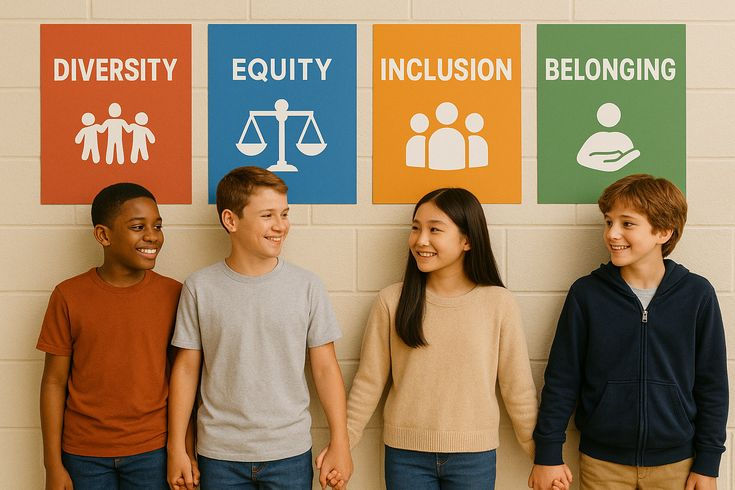
Diversity plays an essential role in creating dynamic, inclusive, and effective learning environments. In educational settings, bringing together individuals from different cultural, social, linguistic, and personal backgrounds allows students and educators to benefit from a wider range of experiences, perspectives, and ideas. As societies become increasingly interconnected, diversity in learning environments is not only valuable but also necessary for preparing individuals to live and work in multicultural communities.
One of the greatest benefits of diversity in education is the opportunity for students to develop broader perspectives. When learners interact with people who have different life experiences, traditions, and viewpoints, they become more open-minded and understanding. These interactions encourage empathy, respect, and stronger communication skills, all of which are essential for building inclusive societies.
Diverse learning environments also strengthen critical thinking and creativity. Exposure to different opinions and approaches challenges students to think more deeply, question assumptions, and consider alternative solutions to problems. Collaborative learning becomes more meaningful when participants contribute unique ideas and experiences, leading to richer discussions and more innovative outcomes.
Inclusion and diversity in education can also help reduce stereotypes and social barriers. By learning together in respectful and supportive environments, individuals gain a better understanding of each other’s realities and challenges. This process helps break down prejudice and promotes mutual respect among participants from different backgrounds.
Another important aspect is that diversity prepares young people for the realities of the modern world. Today’s workplaces, communities, and international collaborations require individuals to communicate and cooperate with people from diverse cultures and experiences. Educational environments that value diversity help students develop adaptability, intercultural awareness, and teamwork skills that are increasingly important in both professional and social life.
Educators and youth workers also benefit from diverse learning spaces. Inclusive educational practices encourage the use of flexible teaching methods that respond to different learning styles, abilities, and needs. As a result, educational activities become more accessible, participatory, and engaging for everyone involved.
Non-formal education and community-based initiatives play an especially important role in promoting diversity and inclusion. Workshops, youth exchanges, intercultural projects, and collaborative activities create safe spaces where participants can learn from one another while building meaningful connections across cultural and social differences.
Creating diverse learning environments is not simply about representation; it is about ensuring that every individual feels respected, valued, and able to participate equally. When diversity is embraced as a strength, education becomes more enriching, empowering, and capable of contributing to stronger and more inclusive communities for the future.


