Inclusion Starts with Recognising Inequality


In many communities, inequality is not always visible at first glance. It does not only exist in income differences, but also in the opportunities people have to learn, participate, and be heard. In schools, workplaces, and social environments, some individuals face barriers that limit their full participation.
In educational settings, inequality can appear when students are expected to learn in the same way, despite having different needs, backgrounds, or abilities. When teaching methods are not inclusive, some learners are unintentionally left behind.
In workplaces, inequality may be reflected in unequal access to opportunities, recognition, or decision-making processes. Individuals from disadvantaged backgrounds may find it harder to express their ideas or advance in their careers.
Social environments also play a critical role. When certain voices are not heard, or when people feel excluded because of their identity or circumstances, inequality becomes part of everyday life.
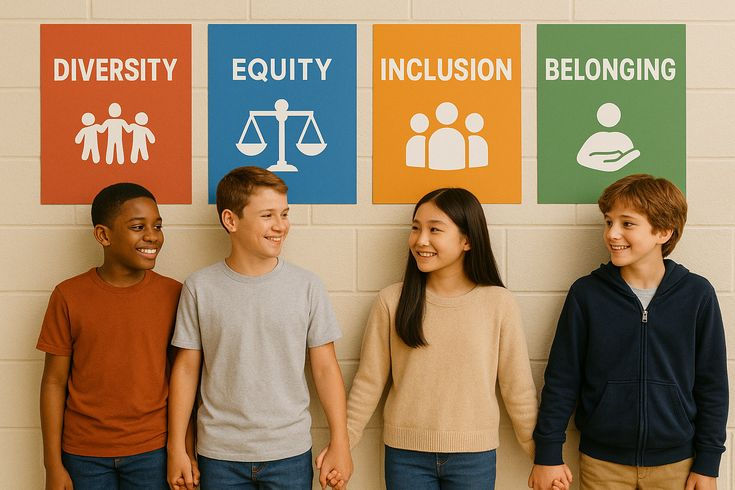
Recognising inequality is the first step toward inclusion. It requires awareness, but also action. Inclusive practices aim to remove these barriers by creating spaces where everyone feels valued, respected, and able to contribute.
By supporting youth workers, educators, and communities in developing inclusive approaches, we can move beyond awareness and take meaningful steps toward equality. Building inclusive communities is not only about fairness—it is about ensuring that everyone has the opportunity to participate and thrive.