How to Create Accessible Opportunities for Disadvantaged Groups

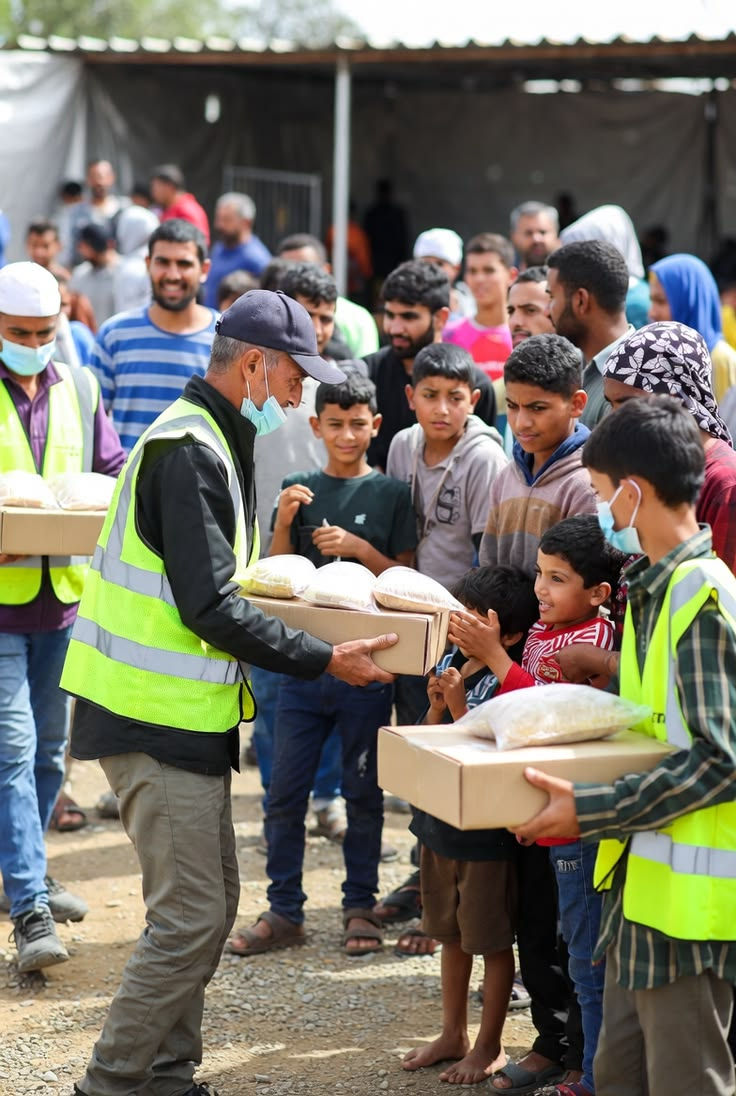
Creating accessible opportunities for disadvantaged groups requires more than good intentions; it demands a structured and inclusive approach that addresses real barriers. These barriers may be economic, social, cultural, educational, or physical, and they often intersect. Understanding the specific needs of different groups is the first step. This can be achieved through direct engagement, community consultations, and participatory needs assessments, ensuring that the voices of those affected are included in the design of solutions.
One of the most effective ways to improve accessibility is to remove structural obstacles that prevent participation. This includes offering free or low-cost programs, providing transportation support, ensuring physical accessibility of venues, and using inclusive communication methods. Digital accessibility is also increasingly important, requiring user-friendly platforms and content that accommodates different languages and abilities.
Education and capacity-building play a central role in empowering disadvantaged individuals. Non-formal education methods, such as workshops, peer learning, and mentoring, can help participants develop skills, confidence, and social connections. These approaches should be flexible and adaptable, allowing individuals to engage at their own pace and according to their personal circumstances.
Another key element is fostering inclusive environments where diversity is respected and valued. This involves training educators, youth workers, and facilitators in inclusive practices and intercultural competence. Creating safe spaces where individuals feel respected and heard encourages meaningful participation and long-term engagement.
Partnerships are also essential in expanding access to opportunities. Collaboration between non-governmental organisations, local authorities, educational institutions, and community groups can help pool resources, share expertise, and reach wider audiences. These partnerships strengthen the overall impact and sustainability of initiatives.
Finally, continuous evaluation and feedback are necessary to ensure that opportunities remain accessible and relevant. Monitoring participation, collecting feedback from beneficiaries, and adapting programs accordingly allow organisations to respond to changing needs. Accessibility is not a one-time achievement but an ongoing process that requires commitment, flexibility, and continuous improvement.